
The Small Relief of Being Acknowledged
A nod, a returned thank you, a little room made without asking. Why can such brief encounters with strangers leave a day feeling different?

A stranger steps aside to let you pass, and you thank them. They look up and smile. The whole exchange takes perhaps a couple of seconds, yet sometimes it stays with you longer than anything else that happened on the journey. Nothing especially remarkable has occurred. Still, the day feels a little less flat. What is it about being briefly acknowledged that can make such a difference?
There are plenty of ways to move through a day without really registering with anyone. You can buy lunch through a screen, travel with headphones on, collect a parcel and return home. Even a day full of messages can leave room for a particular kind of absence: nobody nearby has quite looked at you. That needn’t feel lonely every time. Sometimes it is exactly the amount of contact you want.
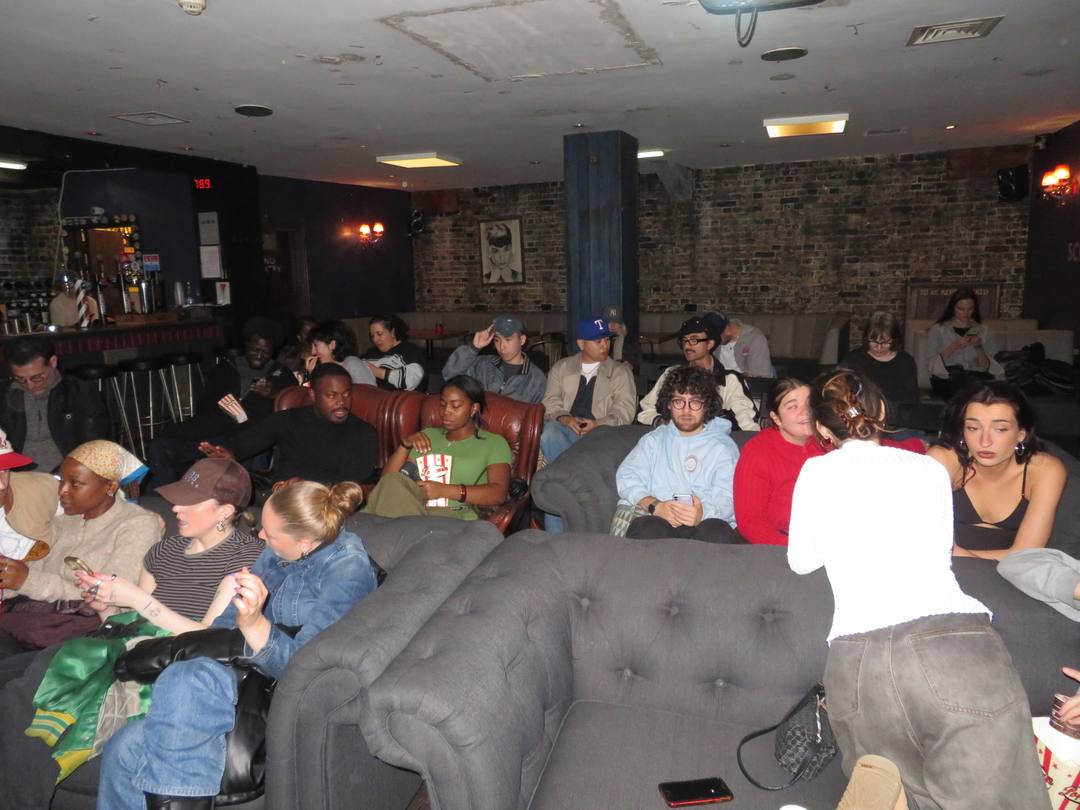
But on another day, the same anonymity can feel wearing. You might be preoccupied, newly arrived somewhere, or simply tired of being the person who gets out of everyone’s way. In that mood, a small acknowledgement can seem unusually generous. Someone notices that you have been waiting. Someone makes room without making you feel inconvenient. For a moment, your presence has been taken into account.
Perhaps that is part of the appeal: how little you have had to do to receive it. With people we know, attention exists within a history. There are messages to answer, things to explain, expectations we may or may not be meeting. A stranger’s acknowledgement can arrive without any of that. You haven’t needed to be entertaining, successful or particularly good company. You were simply there.
The gesture itself may be almost absurdly modest. A driver raises a hand when you let them through. Someone holds a door and waits the extra second rather than letting it swing back towards you. At a crowded counter, another customer makes clear that you were first. These moments can carry a quiet reassurance that the people around you are paying attention, even when everyone appears absorbed in their own business.
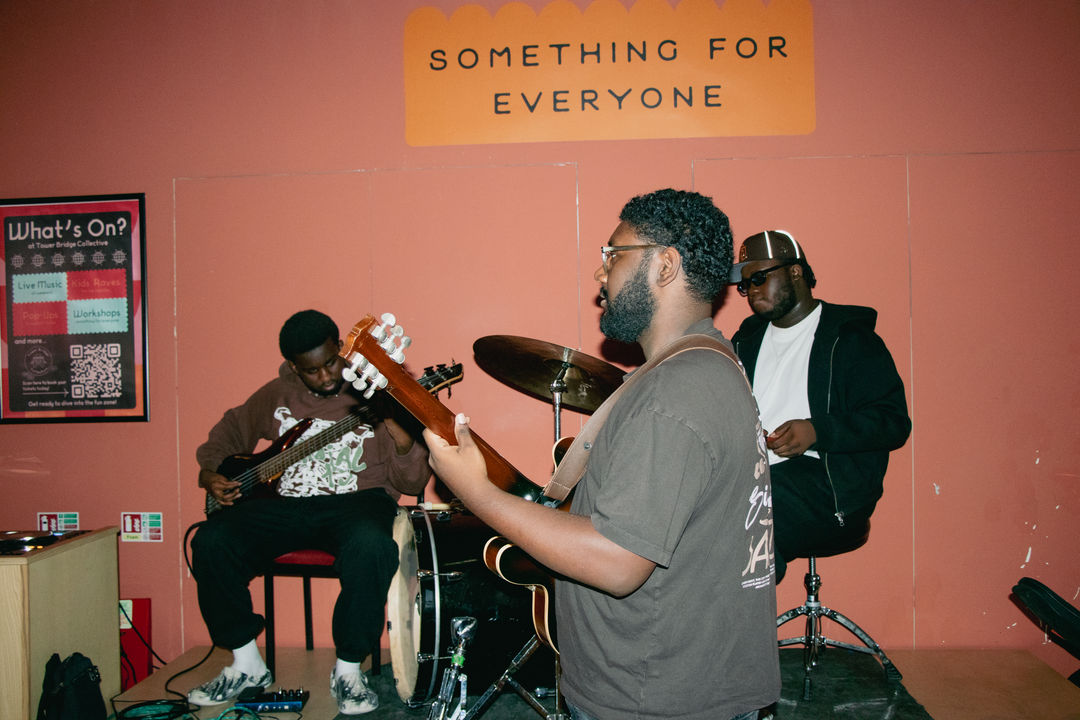
It would be easy to turn this into a complaint about phones or a story about how much friendlier life used to be. Neither explanation is necessary. People have reasons for keeping to themselves. Public space can be tiring, and being available for conversation is not a duty. A person who doesn’t return a smile may be distracted, anxious, unable to see it or simply uninterested. There is no need to turn a passing encounter into a verdict on their character.
Nor does every acknowledgement feel welcome. Attention can be intrusive; friendliness can come with expectations. Context matters, as does whether someone leaves you free to continue on your way. Part of what makes a small, considerate exchange feel good may be its completeness. A nod is offered, a nod is returned, and nobody has to become anything more to the other person.

There is also something quietly pleasing about sharing a moment with someone whose life remains unknown to you. You both notice the dropped glove. You both pause while a dog takes its time crossing the pavement. Briefly, you are attending to the same thing. You don’t learn each other’s names or discover some profound connection. The shared moment is enough to make the encounter feel less anonymous.
A warm exchange won’t resolve whatever made the morning difficult. Yet it can become one detail in how the day is remembered: the person who moved their bag before being asked, or the stranger who made sure your thank you had been received. Later, you might barely remember their face. What remains is the slight relief of having been noticed, without having to ask.